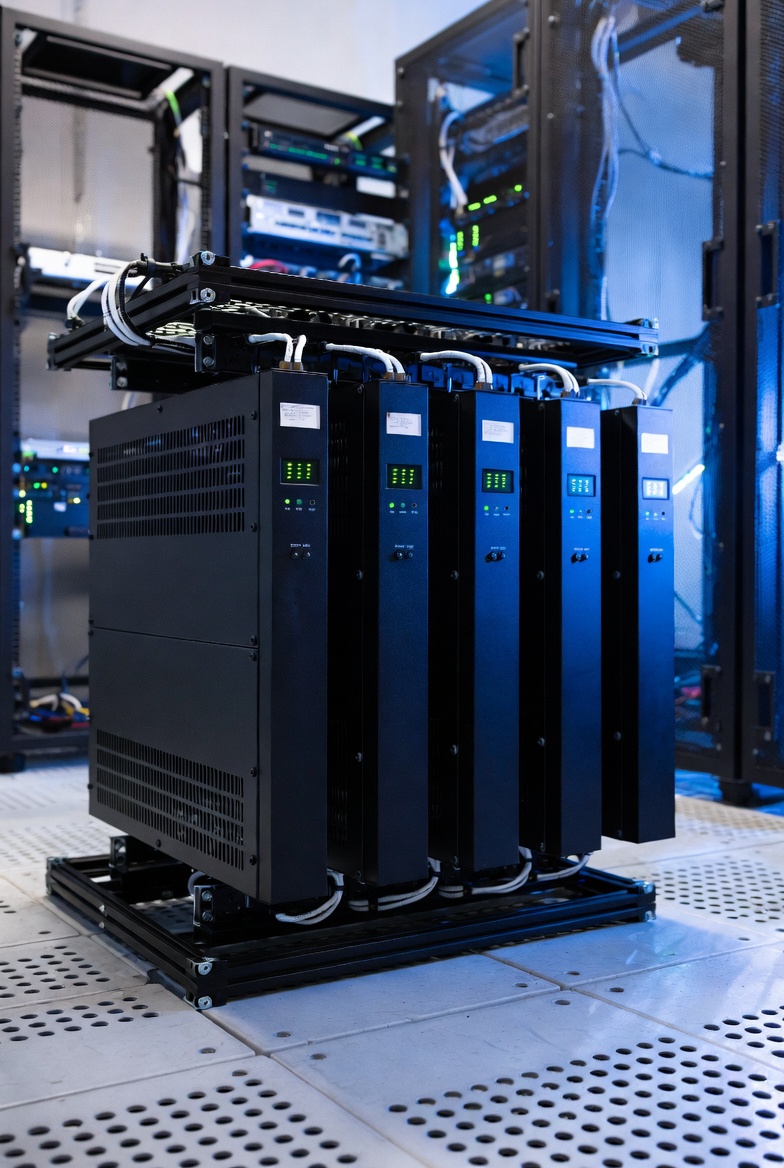
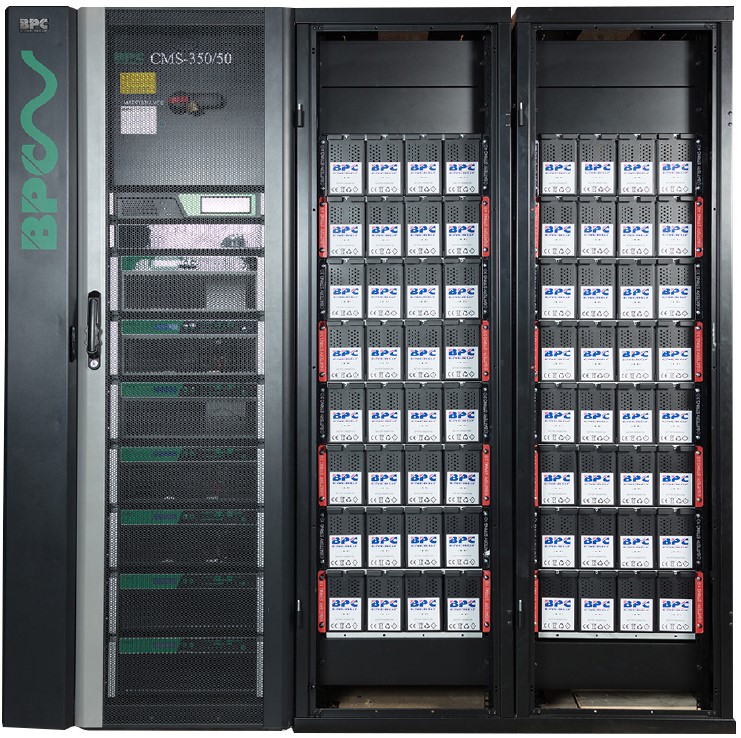
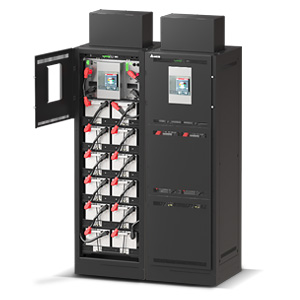
1. Basic Components of the UPS System

A UPS system basically consists of four main components:

  • Rectifier: Converts the AC (Alternating Current) electricity coming from the grid into DC (Direct Current) electricity. It both charges the batteries and supplies power to the system.

  • Battery Bank: The unit where electrical energy is stored. It becomes active during a power outage.

  • Inverter: Converts the DC energy stored in the batteries back into clean and stable AC power and delivers it to the devices.

  • Static Bypass: A protection mechanism that transfers the load directly to the utility power without interruption if a fault occurs inside the UPS.

2. Types of UPS According to Their Operating Principles

UPS systems are divided into three main categories according to their technologies:

Offline UPS (Standby)

This is the simplest and most affordable type. While electricity is available, it transfers the utility power directly to the devices. When a power outage occurs, it switches to the battery using a transfer switch. It is generally used for home computers.

Line-Interactive UPS

It regulates the utility voltage through a regulator (boosting low voltage and reducing high voltage). During a power outage, it switches to battery mode. It is ideal for office computers and small network equipment.

Online UPS (Double Conversion)

This is the most reliable and professional system. It first converts the utility power into DC to supply and charge the batteries, then generates a completely new and pure AC signal from that DC power. The devices are fully isolated from the utility line. Only this type is used in tunnels, hospitals, and data centers.

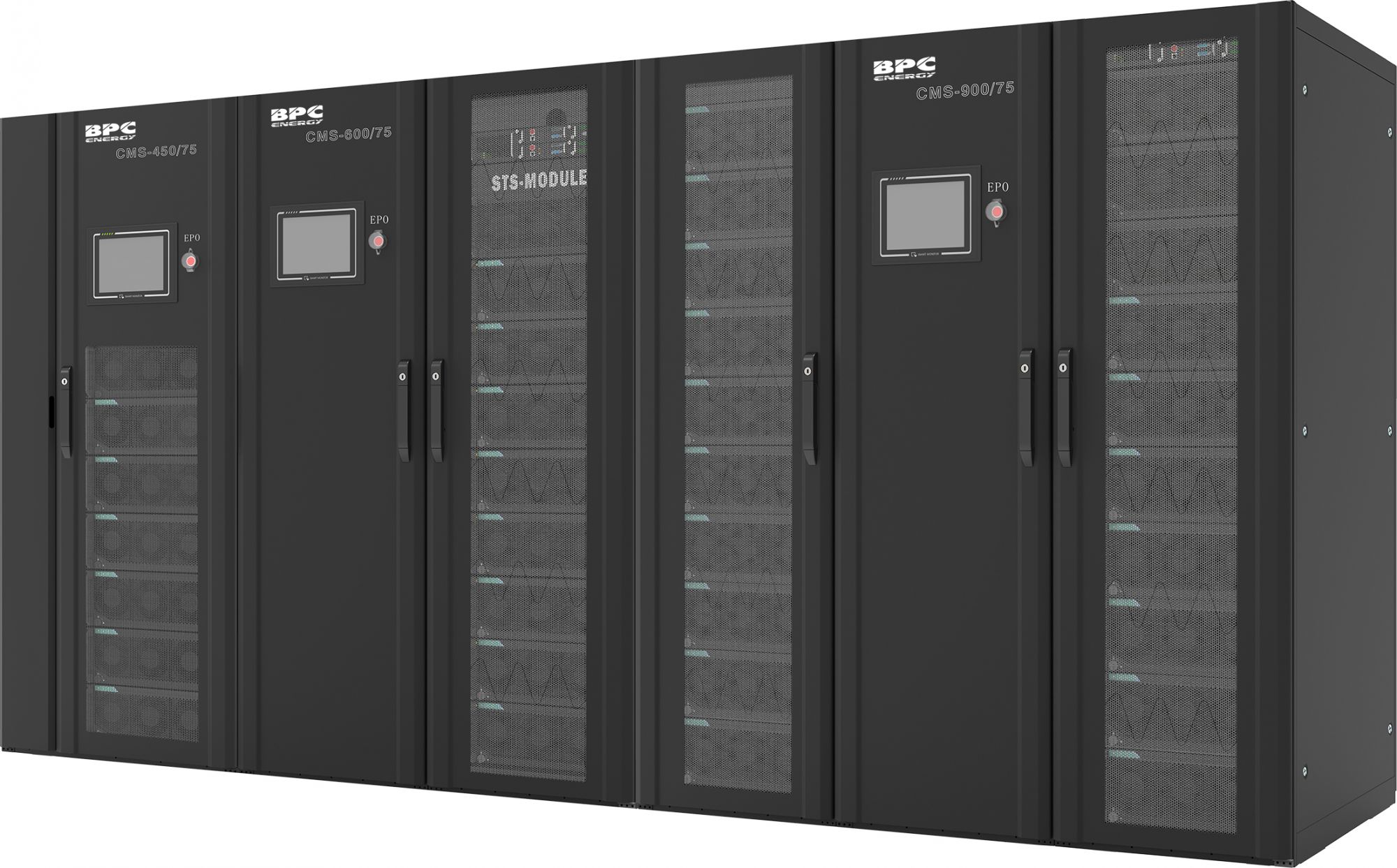
3. Areas Where UPS Systems Are Critically Important

  • Data Centers: Even a one-second shutdown of servers can lead to data loss and millions of dollars in damages.

  • Tunnel and Road Systems: It is vital that lighting, ventilation control, and fire detection systems continue operating even during power outages.

  • Hospitals: Operating room equipment and life-support units must never lose power.

  • Industrial Facilities: An instant stop of robots on a production line can cause all raw materials in the process to be wasted.

4. Factors to Consider When Choosing a UPS System

  1. Power Capacity (kVA/kW): It should be at least 20–25% higher than the total power consumption of the devices to be supplied.

  2. Backup Time (Autonomy): Refers to how long the batteries can keep the devices running (e.g., 5 minutes, 30 minutes, 2 hours, etc.).

  3. Waveform: For sensitive equipment, models with a Pure Sine Wave output should definitely be selected.

Key Services We Offer
Project Design & Engineering Studies
Electrical and Mechanical Installation Applications
Project Installation, Maintenance & Commissioning
Testing, Commissioning & Start-up
Electrical Safety, Compliance Inspections & Certification Processes
300+ completed projects