1. Tunnel Control and Monitoring Systems
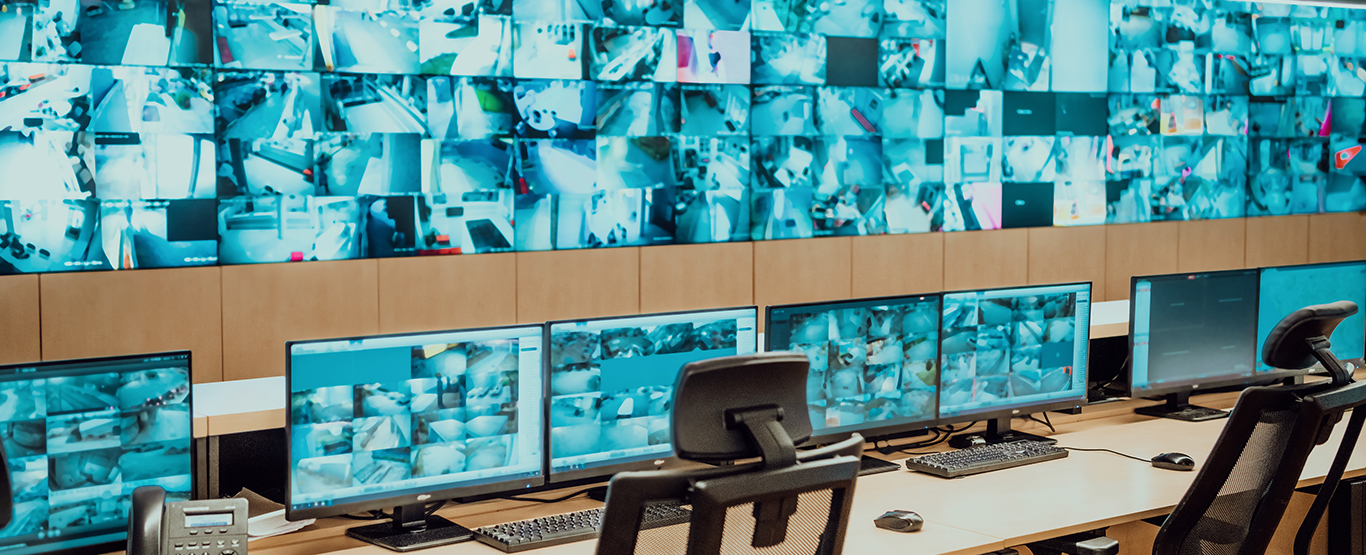
This is the brain of the entire system. The SCADA (Supervisory Control and Data Acquisition) system monitors and manages everything from ventilation to lighting, from fire detection to traffic signaling, all from a single central point.
2. Lighting Systems
In tunnels, lighting is designed not only for visibility but also to manage the driver’s visual adaptation.
Entrance and Threshold Lighting: The entrance sections are much brighter to prevent the “black hole” effect that occurs when moving from bright daylight outside into a dark tunnel.
Interior Zone Lighting: A constant and non-straining lighting level inside the tunnel.
Luminance Meters: They automatically adjust the lighting level by measuring the intensity of light outside the tunnel.
3. Ventilation and Jet Fans
In tunnels, maintaining air quality and removing smoke during a fire is vital.
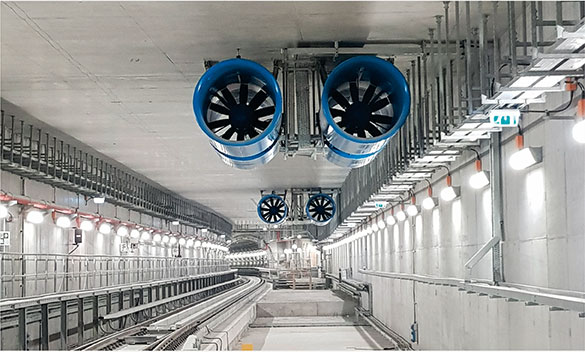
Jet Fans: High-capacity fans suspended from the ceiling.
Air Quality Sensors: They measure carbon monoxide (CO), nitrogen oxides (NOx), and visibility (opacity) to determine the operating speed of the fans.
4. Fire Detection System
In enclosed spaces, fire is the greatest risk factor.
Linear Heat Detection: Special cables (fiber optic or sensor cables) running along the tunnel ceiling detect temperature increases and can pinpoint the exact location down to the centimeter.
Fire Cabinets and Hydrant Line: Emergency intervention points.
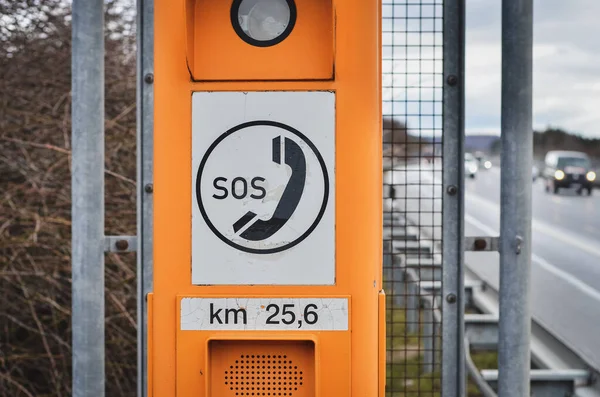
Emergency Phones (SOS): Stations located every 100–250 meters that provide direct communication with the operator.
5. Intelligent Transportation Systems (AUS / ITS)
It is the “electronic eyes and ears” of the road.
CCTV and Incident Detection: Cameras do not only monitor; they trigger alarms using artificial intelligence when a stopped vehicle, someone driving in the wrong direction, or an object on the road is detected.
Variable Message Signs (VMS): Large LED panels that inform drivers about speed limits, accidents, or road conditions.
Traffic Counting Sensors: Radar or loop detectors that measure road occupancy levels.
6. Power Supply and Backup Systems
These systems cannot afford even a single second of downtime.
Transformer Substations: They step down medium voltage to operating voltage.
UPS (Uninterruptible Power Supply): It ensures that critical systems (lighting, communication) do not shut down during a power outage.
Generators: They supply power to the entire system during long-term outages.