1. Purpose of CCTV Systems
- Deterrence: Visible cameras create a psychological barrier for individuals who may intend to commit crimes.
- Incident Evidence and Investigation: Recorded footage enables the resolution of criminal cases and provides legal evidence through retrospective analysis.
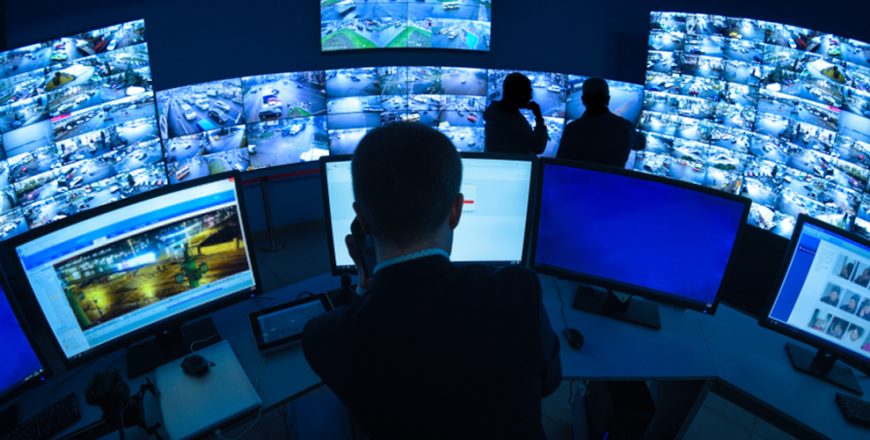
- Real-Time Monitoring: Continuous 24/7 live monitoring of critical areas (factories, banks, public spaces) allows immediate response to potential incidents.
- Video Analytics and Efficiency: Modern systems increase operational efficiency with smart features such as license plate recognition, people counting, facial recognition, and abandoned object detection.
- Occupational Safety: It monitors employee safety and compliance with procedures in hazardous working environments.
2. Importance of Design and Critical Factors
A poorly designed CCTV system becomes an ineffective investment that produces “unusable footage” or “unrecognizable faces” during an incident. The following points are critical in the design:
- Lens and Resolution Selection: Is the goal only to “see movement” or to “identify faces”? The correct lens (fixed, varifocal) and resolution (2MP, 4K, etc.) must be selected based on distance in the design.
- Lighting and Night Vision: Cameras must be planned according to challenging conditions such as backlight or complete darkness, considering WDR (wide dynamic range) and night vision range.
- Storage and Bandwidth: The duration for which footage will be stored (e.g., H.265+ compression) and whether the network infrastructure can handle the traffic are the technical foundations of the design.
- Blind Spot Analysis: Proper placement of cameras so they cover each other and leave no blind spots determines the reliability of the system.
- Cybersecurity: In IP-based systems, a secure network design is essential to protect cameras from external attacks (hacking).