1. Types of Lighting Systems
Lighting systems are divided into four main categories based on their purpose of use:
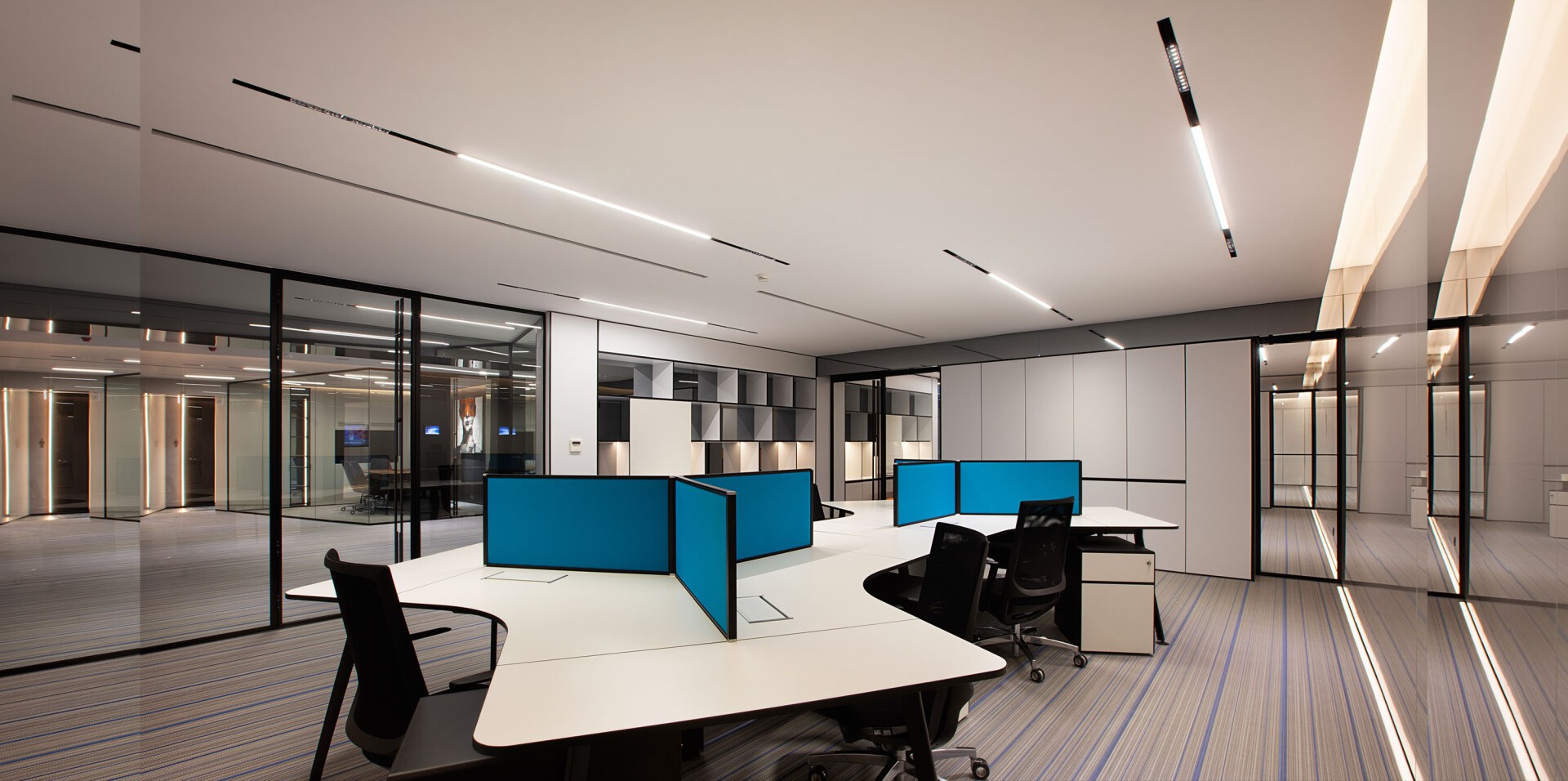
- General Lighting: Aims to distribute light evenly across the entire space (e.g., office ceiling lights).
- Task Lighting: Illuminates a specific area for tasks requiring focus such as reading, assembly, or surgical procedures.
- Accent Lighting: Used to highlight architectural details or artworks.
- Emergency Lighting: Systems with their own battery that indicate evacuation routes during power outages or fire situations.
2. Importance of Lighting Systems
Lighting plays a different critical role in every aspect of modern life:
Safety and Security
- Roads and Tunnels: It is vital for drivers to overcome the “black hole” effect and detect obstacles.
- Crime Prevention: Well-lit streets and parks significantly reduce crime rates.
- Workplace Safety: Insufficient lighting in factories is one of the leading causes of occupational accidents.
Health and Circadian Rhythm
The human body secretes hormones according to the color (Kelvin value) of light.
- Blue Light (Cool White): Increases focus and reduces sleepiness (ideal for offices).
- Yellow Light (Warm White): Supports melatonin production and relaxes the body.
- Circadian Lighting: Smart systems that change color according to the time of day help maintain our biological clock.
Energy Efficiency and Sustainability
Approximately 15–20% of global electricity consumption is related to lighting.
- LED Conversion: Provides up to 80% energy savings compared to traditional bulbs.
- Sensor-Based Control: Light is used only when needed thanks to motion and daylight sensors.
3. Smart Lighting Systems (DALI & KNX)
In modern buildings, traditional “on-off” switches have been replaced by automation systems.
- DALI (Digital Addressable Lighting Interface): A professional communication protocol where each lighting fixture can be individually controlled and fault information is transmitted to a central system.
- Dimming: Saves energy by reducing artificial light intensity as daylight increases.