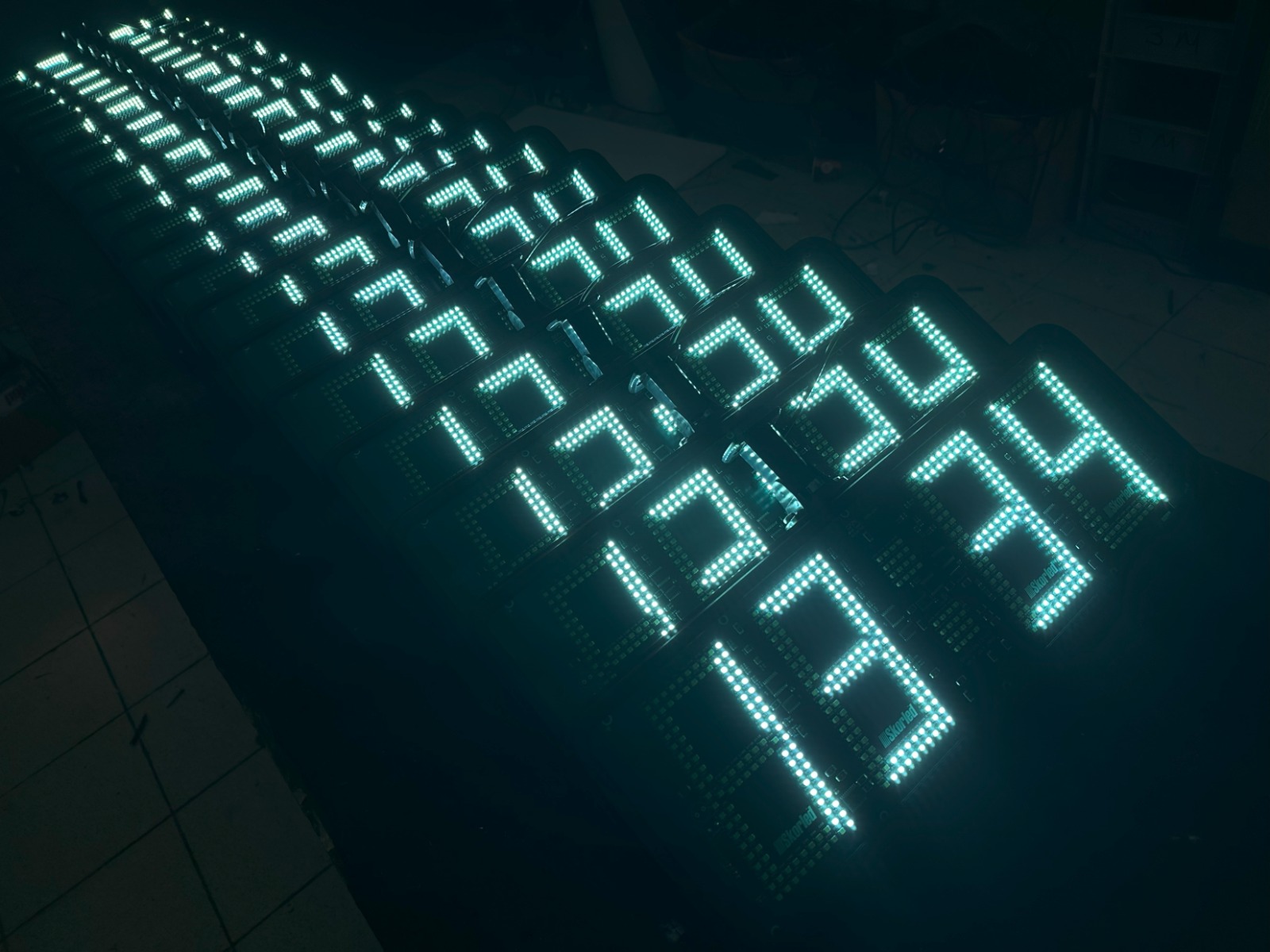
1. Purpose of Central Clock Systems
- Time Synchronization: It ensures that all clocks in large areas such as schools, hospitals, airports, or factories display the exact same time down to the second.
- Operational Efficiency: It ensures error-free execution of time-sensitive operations such as shift changes, school bells, surgery durations, or flight departure times.
- Compatibility with Other Systems: It ensures that timestamps in systems such as CCTV, fire detection, and access control are consistent with each other (critical for forensic investigations).
- Ease of Maintenance: It eliminates the need to manually adjust all clocks during daylight saving time changes or after power outages, as the system updates them automatically.
2. Importance of Design and Critical Points
A proper clock system design should include the following elements to prevent time drift and communication failures:
- Precise Reference Source: The system must define where the master clock receives its time. For highest accuracy, GPS/GNSS satellites or internet-based NTP/PTP protocols are used.
- Distribution Infrastructure (Wired vs. Wireless): Whether the system operates over existing network (IP/PoE), a dedicated two-wire line, or wireless RF signals must be designed according to the building’s physical structure.
- Power Redundancy: The master clock must be designed with an internal battery or UPS support to ensure it does not lose time information during power outages.
- Visibility and Aesthetics: The placement of clocks must be designed according to ambient lighting and viewing distance, with correct choices for character height and LED brightness.
- Integration Capability: The design should be capable of synchronizing not only clocks but also computer networks and other low-voltage systems, ensuring overall system integrity.