1. Main Components of an MV Switchyard Facility
In a switchyard facility, the following equipment is used to ensure safe power flow:
- Circuit Breakers: The most critical element that can open and close the circuit under load or during a fault (short circuit). Vacuum or SF6 gas is typically used to extinguish the arc.
- Disconnectors (Isolators): Provide a visible isolation after the circuit breaker is opened, ensuring a safe working area when no current is present.
- Busbars: High-current conductors made of copper or aluminum that transfer energy between all cells.
- Instrument Transformers: Reduce current and voltage to low levels that devices can measure (e.g., 100 V or 5 A).
- Protection Relays: The “brain” of the system that detects faults such as overcurrent, undervoltage, or ground faults within seconds and sends a trip command to the circuit breaker.
2. Types of Switchyard Facilities
Based on the insulation material used and the installation location, they are divided into two types:
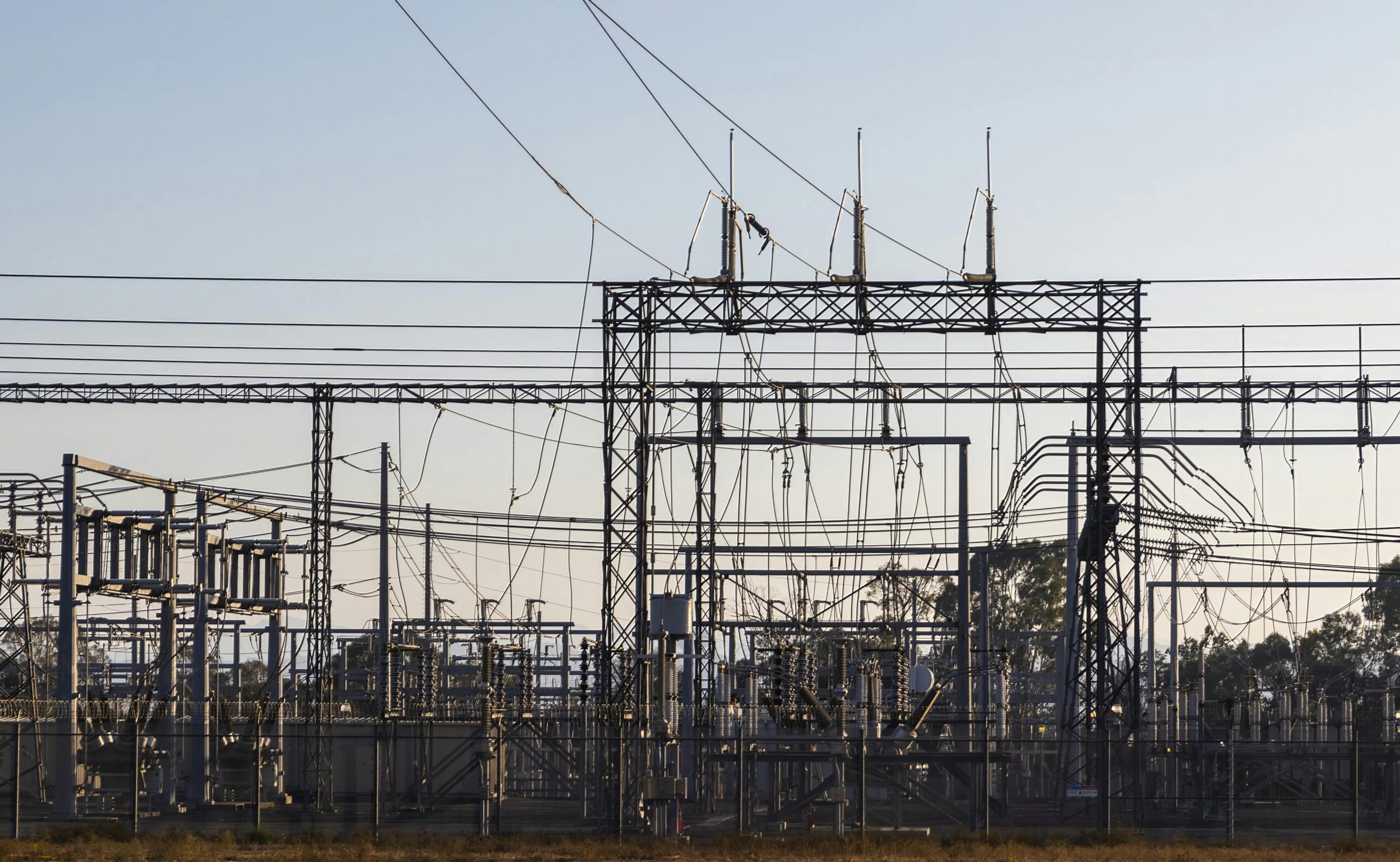
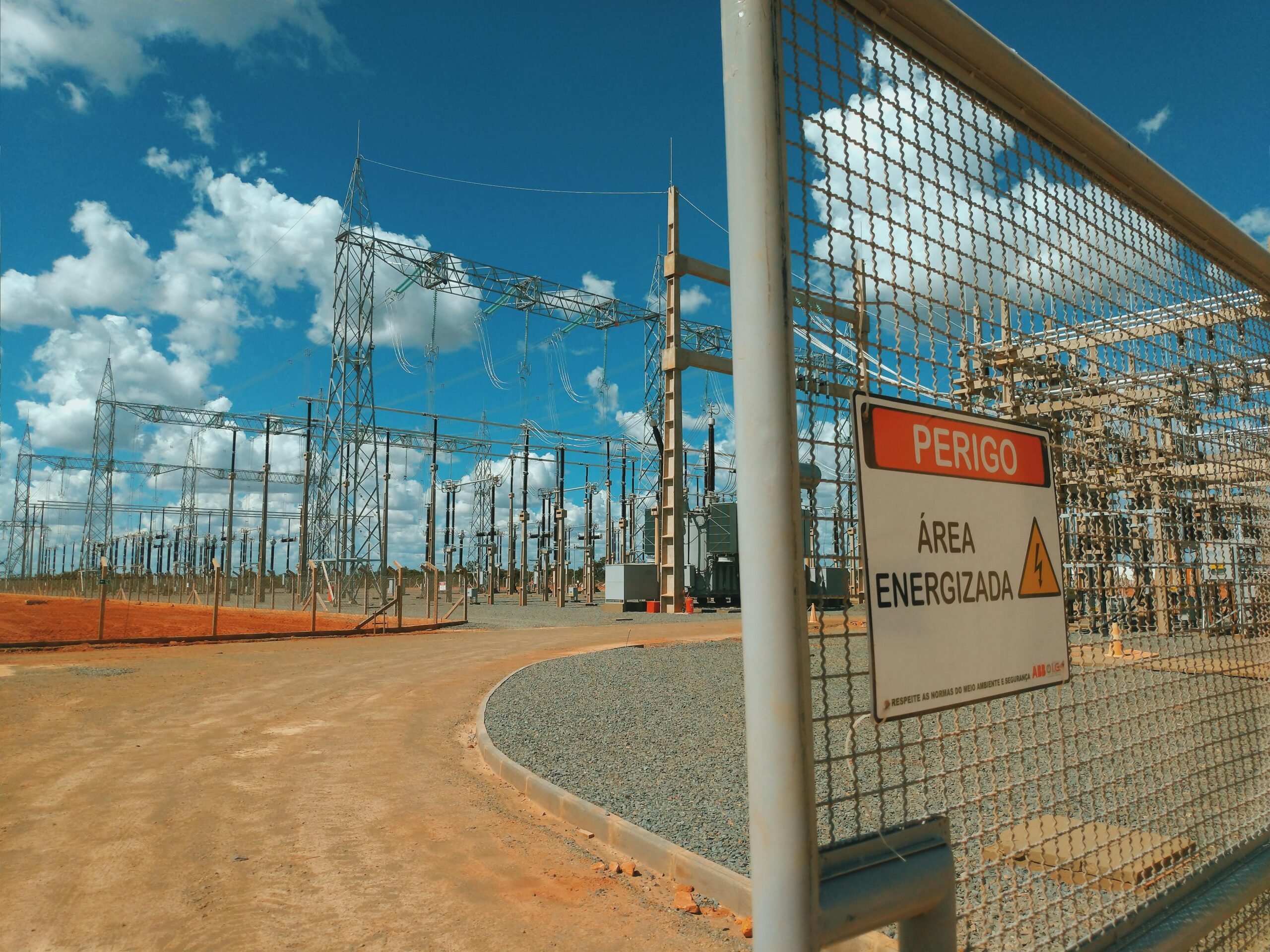
A. Air-Insulated Switchyards (AIS)
- These are systems where insulation between conductors is provided by air.
- Advantage: Easy maintenance and lower cost.
Disadvantage: Large size; more sensitive to humidity, dust, and corrosion.
B. Gas-Insulated Switchyards (GIS)
These are systems where all switching components are placed inside a sealed tank filled with SF6 (sulfur hexafluoride) gas.
- Advantage: Requires very little space (about 1/4 of AIS). Completely isolated from external environmental factors.
- Disadvantage: High initial investment cost and requires monitoring for gas leakage.
3. Critical Points in Design and Safety
In MV switchyard facilities, the margin for error is almost zero. Therefore, the following points are carefully considered:
- Interlocks Between Cells: Mechanical and electrical interlocks that prevent operator mistakes. For example: “The disconnector cannot be opened unless the circuit breaker is open” or “No energization is possible while the earthing switch is closed.”
- Arc Venting Channel: In case of a fault, the pressure and hot gases generated by an internal explosion are directed safely away from the operator through a designated channel.
- Internal Arc Resistance (LSC): A classification indicating how long a cell can withstand an internal arc fault. Modern facilities prefer LSC2B class (service continuity during fault).
- IP Protection Rating: Resistance against dust and water (commonly IP4X or IP54 for indoor installations).
4. Where Is It Used?
- Organized Industrial Zones (OSBs): At the main entrances of factories.
- Transformer Substations: The final point before distributing high voltage to the city grid.
- Renewable Energy Plants: At the connection points of solar (PV) and wind (RES) power plants to the grid.
- Large Public Buildings: Airports, hospitals, and metro lines.