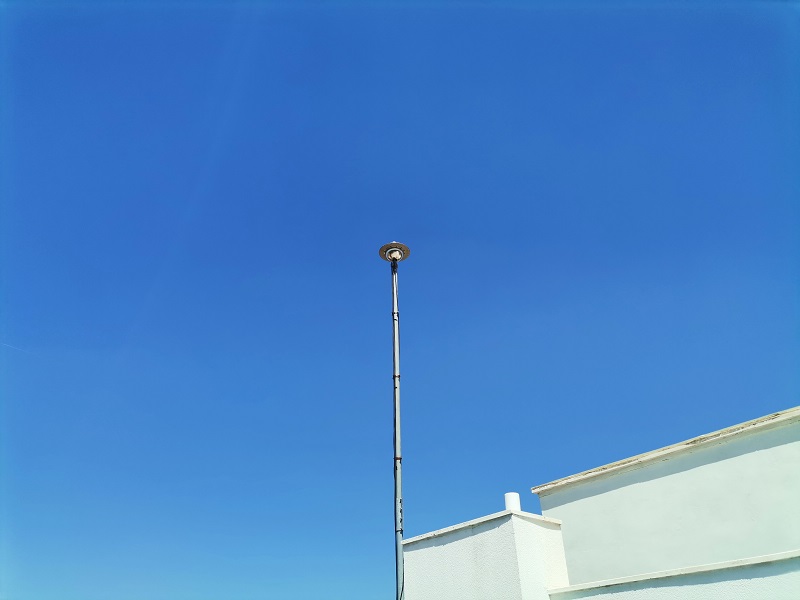
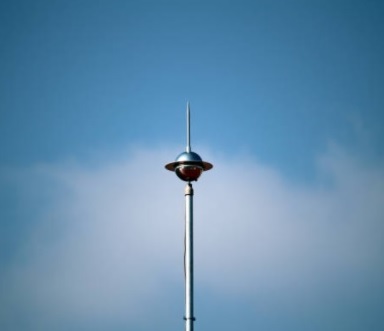
1. External Lightning Protection Systems
It prevents lightning from directly striking the structure and directs the current to the ground.
Lightning Rods (Active Lightning Rods): These are interception terminals with a certain protection radius that attract lightning before it strikes the building. They are usually installed at the highest point of the structure.
Faraday Cage: A system that completely surrounds the building’s exterior and roof with conductive strips (air terminals and conductive mesh). When lightning strikes, the current is distributed through this network and flows safely to the ground. It is the most reliable method for critical facilities such as power plants and explosive material storage areas.
Shield Wire System: These are protection wires typically installed above power lines to protect them.
2. Internal Lightning Protection (Surge Arresters)
Even if lightning does not directly strike a building, a strike nearby can cause overvoltage that reaches your devices through electrical lines.
Surge Arresters (SPD – Surge Protective Devices): These devices installed in electrical panels detect sudden high voltage on the line and, within milliseconds, divert it to the ground by short-circuiting the circuit, preventing damage to sensitive equipment such as household appliances and computers.
3. Down Conductors and Grounding
They are conductors (copper or galvanized strips) that carry the current coming from the air terminals to the ground. Underground, there are electrodes (rods) that disperse this current.