1. What is an Electrical Distribution Panel and What Does It Do?
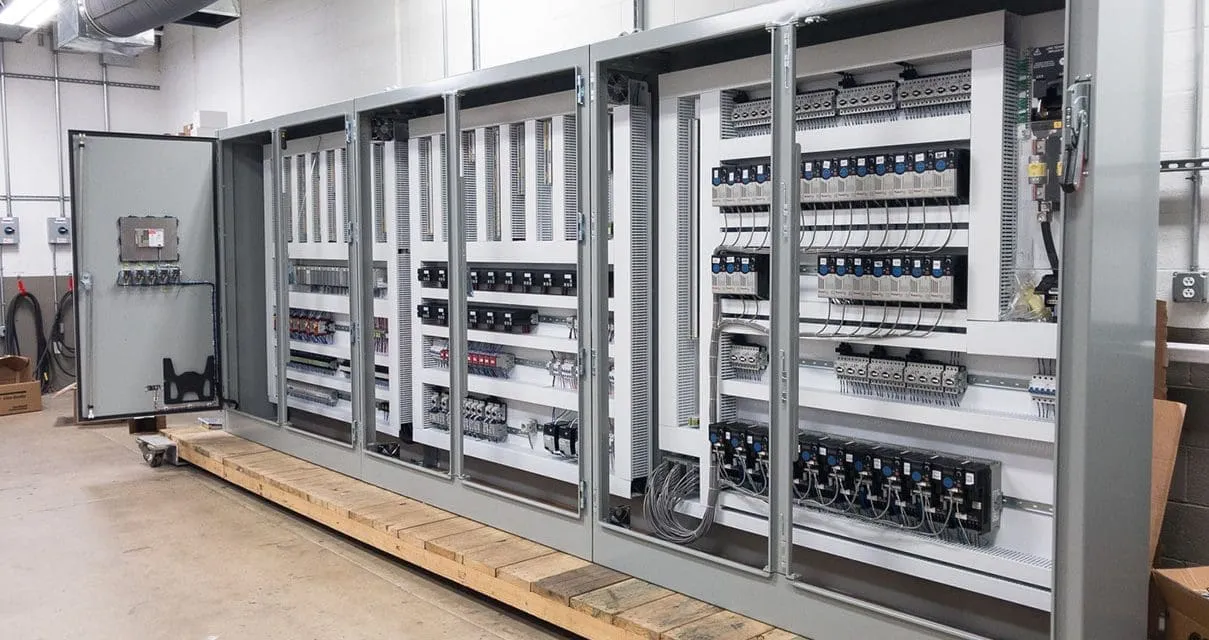
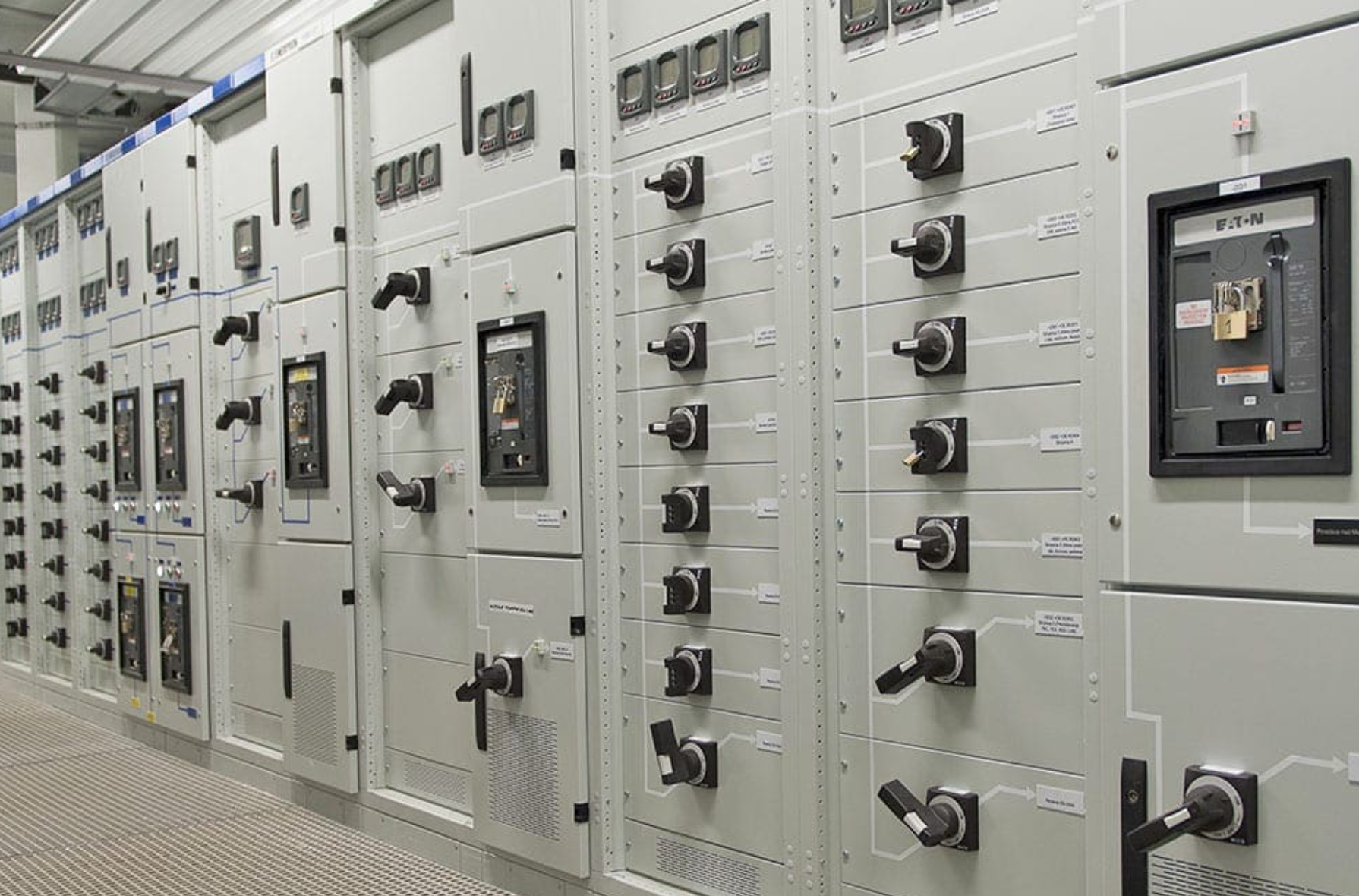
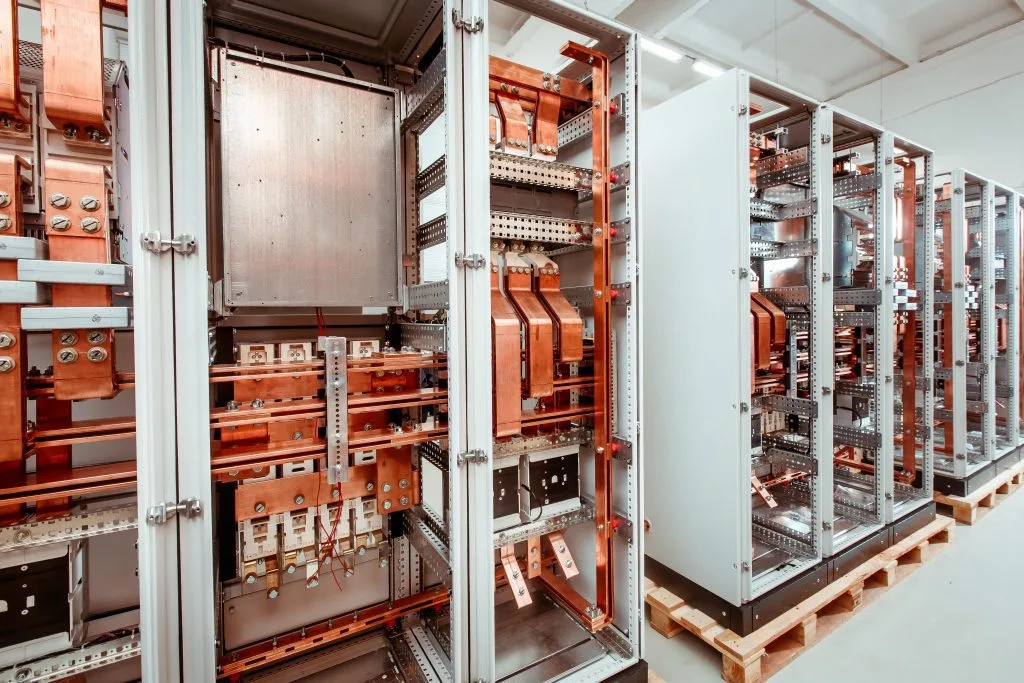
An electrical panel is a cabinet where components such as circuit breakers, fuses, measuring instruments (voltmeter, ammeter), contactors, and indicator lights are mounted.
- Distribution: Splits the main incoming power into different circuits such as lighting, sockets, and machinery.
- Protection: Prevents fire and equipment damage by cutting off power during short circuits or overload conditions.
- Control: Enables manual or automatic switching of desired circuits on and off.
2. Where is it Used?
Electrical panels are used in all areas where electricity exists and where distribution or control is required.
- Residential Buildings: Floor distribution boards and meter panels.
- Factories: Motor control centers (MCC) and main distribution panels.
- Hospitals and Tunnels: Transfer panels managing UPS and generator switching.
- Construction Sites: Portable site panels providing temporary power supply.
3. Critical Points to Consider in Panels
For a panel to be safe and long-lasting, the following criteria are critical:
• IP Protection Class: The sealing level must be correctly selected according to the environment (dusty, humid, or outdoor).
• Design and Labeling: Inside the panel, each breaker must be clearly labeled, and the updated electrical project should be stored in the panel pocket.
• Heating and Ventilation: Equipment heats up under high current loads. Panels must have adequate ventilation openings or fan systems.
• Cable Organization and Tightness: Cables should be properly arranged using cable ducts, and terminal connections must be periodically checked. Loose connections may cause arcing and fire.
• Grounding: All metallic parts including the panel door must be properly grounded.
4. Maintenance and Safety
Interventions on electrical panels should only be carried out by authorized technical personnel. Especially during periodic inspections using thermal imaging cameras, overheating that cannot be seen with the naked eye can be detected, preventing major accidents.